a) Huge Demand in Dairy Sector
Dairy farms require a large and consistent supply of green fodder.
Elephant grass is considered ideal fodder because of its high protein and fiber content.
b) Fast Growth & High Productivity
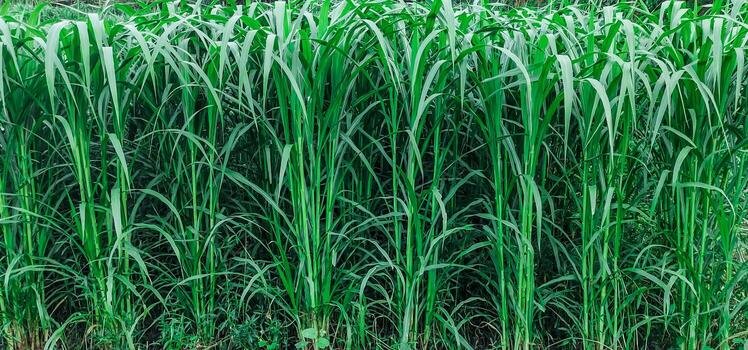
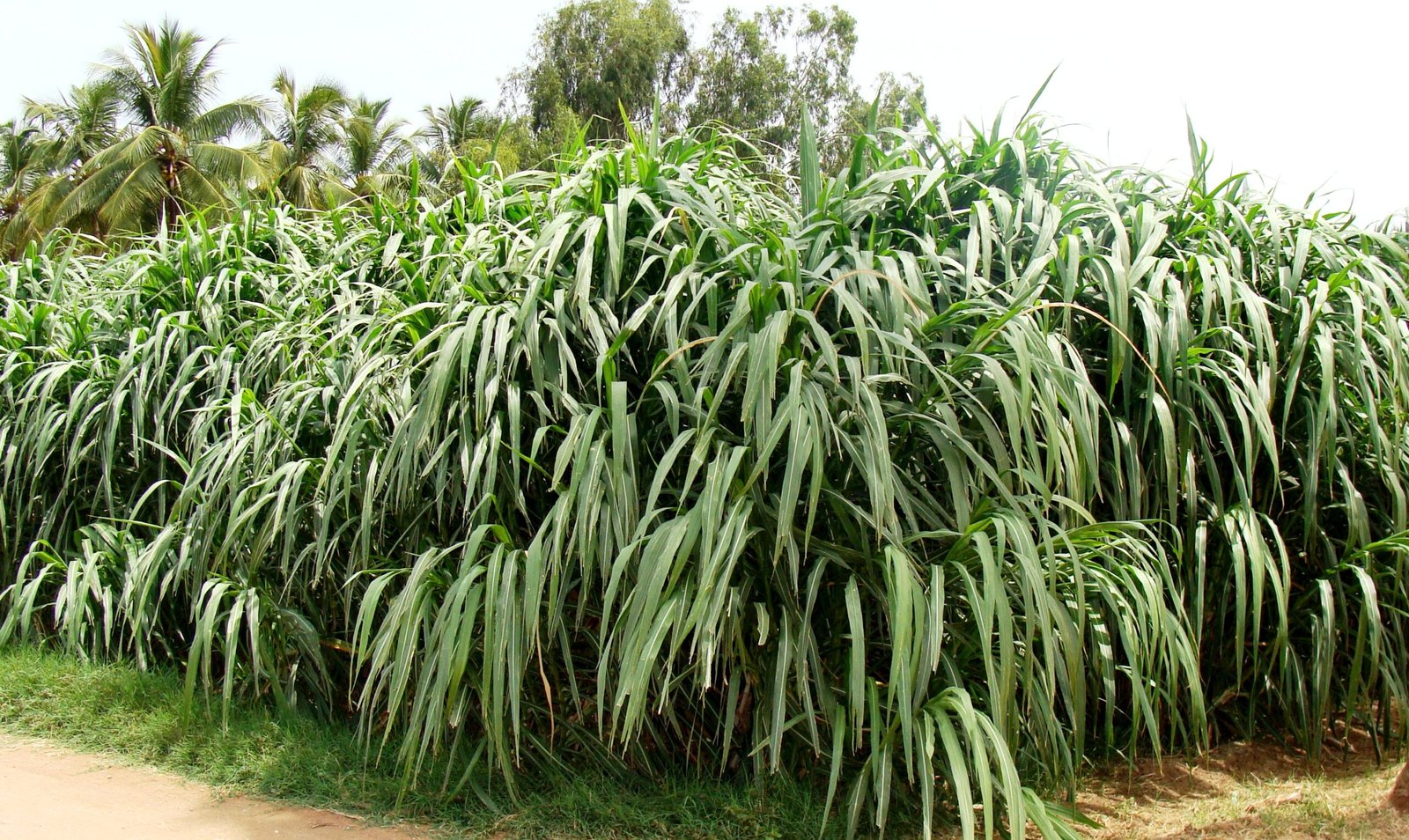
Grows up to 10–12 feet within 60–75 days.
One plantation can last 3–5 years, reducing the need for frequent replanting.
Produces 200–250 tons of green fodder per acre per year.
c) Suitable for All Climates
Performs extremely well in Dooars, as the region has:
High rainfall
Fertile soil
Warm climate
Minimal irrigation required.
d) Low Investment & Easy to Cultivate
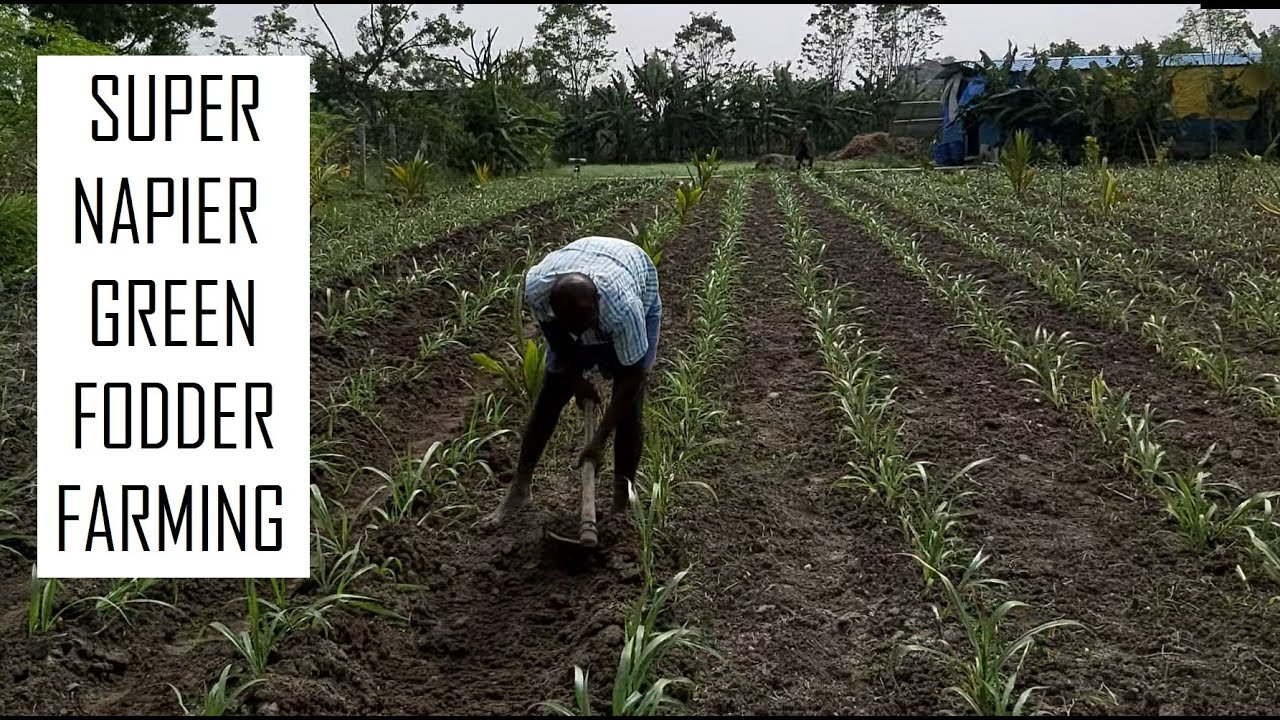
Requires limited fertilizers and low maintenance.
Can be grown in small plots, unused land, or even along boundaries.
e) Commercial Sale Potential
Farmers can sell:
Cut fodder
Root slips
Bundles of grass
Demand from dairy farms, cattle sheds, SHGs, and livestock owners is increasing.